Ricky Skiba Coaching / Strength journal
Beginner Friendly Personal Trainer Portland: A Comfortable Path to Building Strength
A beginner friendly personal trainer in Portland can make lifting feel welcoming, flexible, and clear without gym-bro pressure.
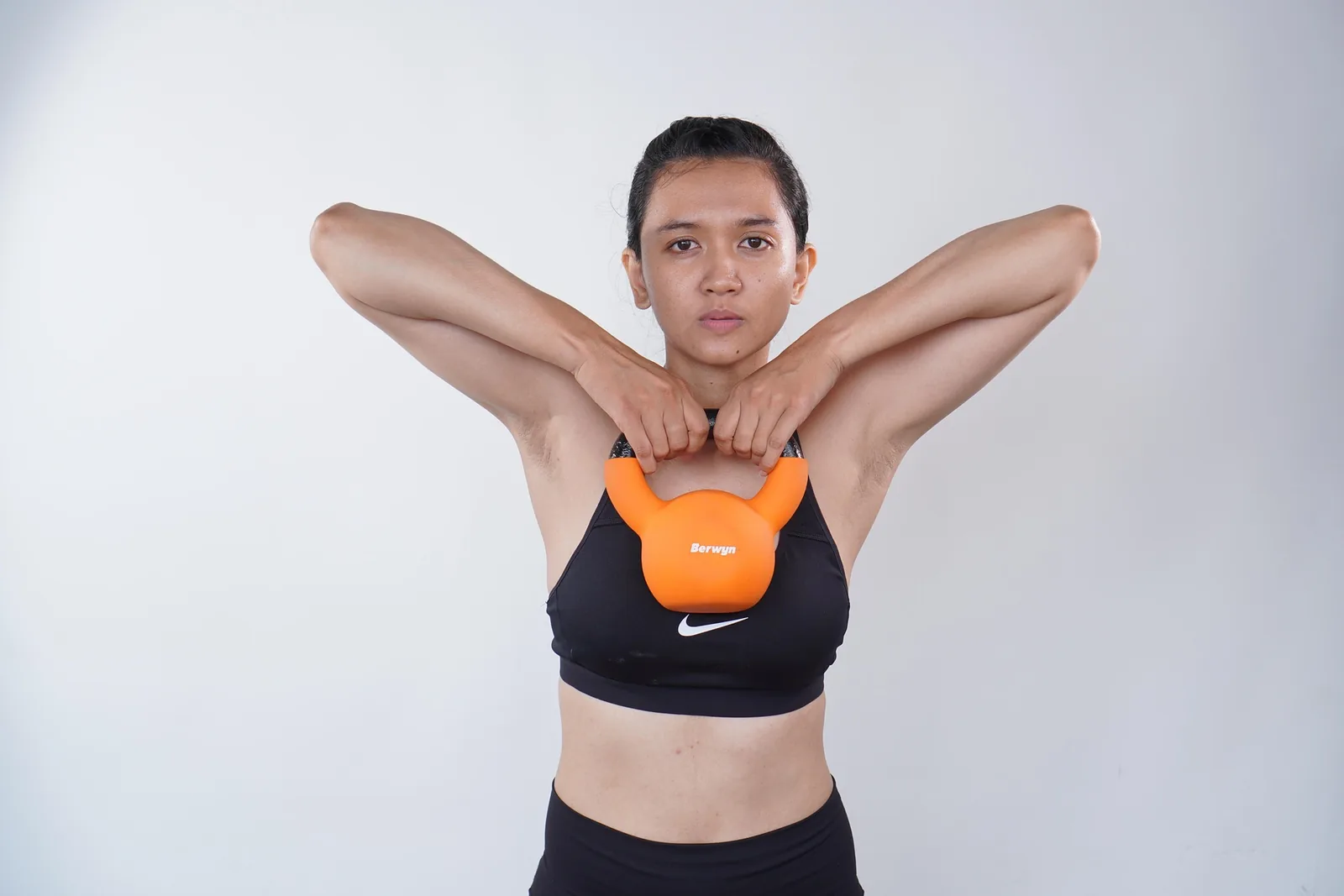
A beginner friendly personal trainer in Portland should make room for you
Some people walk into a gym and feel like they have to prove something before they can begin. They worry about doing a movement wrong, using the wrong weight, or being judged for not knowing what to do. That pressure can make strength training feel like a place where you need to perform instead of a place where you learn.
I do not enjoy the hyper-masculine, aggressive, ego-driven version of training where somebody is supposedly doing it wrong unless they are the most intense person in the room. I think that is nonsense, and it does not help people build habits for long-term health.
You deserve an environment where questions are welcome and the work can be challenging without turning into a contest. A trainer should explain what is happening, adjust when something does not feel right, and help you feel capable rather than small.
You do not need to arrive as a different person
I am a former theater kid. I like to sing, goof around, make art, watch silly anime, and grow plants. I do not pretend that strength training requires everyone to become a serious gym person. I would rather make space for curiosity and playfulness than make somebody feel they need to change their personality before they can lift.
The setting can be focused and still feel relaxed. We can pay attention to the exercise, laugh when something is funny, and use music that makes the hour feel good. The goal is to help you take part in the work and want to come back, not to create a performance for other people.
You can be new. You can be unsure. You can be returning after time away. None of that needs to become a reason to feel embarrassed.
If you want a plan built around your actual week, book a free consultation and we can talk through a useful first step.
Notice progress without turning it into a scolding
I use motivational interviewing. In plain language, that means helping you build positive associations with the parts of training you struggle with by pointing to real progress. It also means avoiding the word “should” as a way to make someone feel behind.
For example, instead of saying “you only did eight reps,” we can recognize that you did eight really hard reps. Instead of using “I used to do more” as proof that you are failing, we can frame the work as building toward where you are going. Those are small changes in language, but they keep attention on what you actually did.
This is not pretending that every set is easy or that every week goes perfectly. It is a way to talk about effort honestly without turning training into a list of reasons to criticize yourself. An off day can happen. We can be curious about what is possible that day and adjust the work.
Your training should be adjustable
People bring different shoulders, knees, hips, and past experiences into a session. A movement that works for one person may need a different version for another. We can keep the purpose of the session while changing the exact movement.
That kind of adjustment is not a special reward for beginners. It is part of coaching. You do not need to be an expert before you can tell me how something feels. If a movement feels uncomfortable or confusing, say so. We can take a look and choose what makes sense.
Metrics can be useful for general health, but many are easy to reach with a basic fitness plan. One-on-one training can move things along faster because someone with an outside eye can steer you. That does not mean there is one perfect way to measure your progress. It means you do not have to figure out every choice by yourself.
Everyone is welcome here
Portland has welcoming communities for LGBTQ+ people and for people outside traditional gender roles or social norms. Clients of every background are welcome. You should not have to spend your training hour wondering whether your identity or your way of moving fits the room.
I do not enjoy most gyms because I find them rigid and competitive. I would rather have a trainer who helps me feel comfortable and powerful than one who pushes a strict idea of how I should look or lift. I try to create the kind of experience I would want for myself.
Strength training can be serious about helping you get stronger without being serious about making you feel small. You can be curious about what you can do, and that curiosity can make an off day easier to approach.
Start with a conversation
You do not have to arrive with a complete plan. Start by talking about what you want to do, what feels intimidating, and what kind of environment helps you feel comfortable. A good fit matters. So does knowing what to expect from the work.
There is room to learn gradually. We can begin with a clear session, pay attention to how it feels, and decide together what comes next. You do not need to earn permission to start by already knowing how everything works.
If you want a plan built around your actual week, book a free consultation and we can talk through a useful first step.
Good questions
Is strength training only for people who already like gyms?
No. Coaching can be adjusted for beginners and people who do not enjoy traditional gym culture.
Do I need to know the exercises before I start?
No. You can ask questions, share how a movement feels, and learn gradually with coaching.